Standard LCD module
Compare existing dimensions, resolution, interfaces and operating conditions before commissioning a new design.
Browse standard TFT modules →SUNSHINE DISPLAY · OEM / ODM
A display designed around your product.
Explore custom LCD modules, from monochrome displays to TFT assemblies with touch and cover glass. Share your mechanical, electrical and viewing requirements so we can assess a suitable display solution.

01 / CHOOSE A STARTING POINT
The right starting point depends on your requirements. A standard module may already fit; other projects need component changes or new engineering work.
Compare existing dimensions, resolution, interfaces and operating conditions before commissioning a new design.
Browse standard TFT modules →Discuss changes to FPC, connectors, backlight, touch or cover glass around a suitable existing display platform.
Review available options →Assess a custom monochrome layout or integrated module when existing designs cannot meet the essential requirements.
Send your requirements →TFT panel sizes and resolutions depend on available panel platforms. Custom interfaces, tooling and environmental requirements need project-specific feasibility review.
02 / DEFINE THE DISPLAY
Monochrome graphic, character and segment layouts, or color TFT modules. Start with the information your user needs to see.
Explore COG LCDs →Outline, mounting constraints, FPC routing, connector position and assembly thickness. Provide drawings or the space available inside your enclosure.
Viewing mode, backlight and readability requirements. Consider ambient light, viewing direction and power budget together.
Explore sunlight-readable TFTs →Capacitive or resistive touch, cover lens design and bonding options. Describe intended use and any glove or moisture requirements for evaluation.
Explore touch displays →Discuss the host platform, signal interface, connector and any required driver or adapter board. Compatibility must be checked for the selected module.
Define temperature, lighting, duty cycle and test conditions. Performance and qualification requirements are agreed for the specific design.
Explore wide-temperature TFTs →Explore the published modules and components below as starting points for discussion. Each example has its own specifications; it is not a promise that every option is available on every design.
Sunshine Display provides standard and customized display solutions for OEM and ODM projects, supporting monochrome LCD, color TFT LCD, OLED, E-paper, segment LED displays, and custom display modules. With the addition of customized E-paper display solutions, we can now support customers requiring ultra-low-power, paper-like, sunlight-readable displays for smart labels, electronic shelf labels, logistics tags, industrial data panels, room scheduling displays, medical labels, IoT devices, and other battery-powered applications.
Our capabilities cover LCD glass panels, COB, COG, VA / HTN / TN structures, TFT modules, E-paper modules, touch screens, cover glass, flexible connectors, interfaces, and driver boards. From meters, home appliances, and smart devices to industrial HMI, medical equipment, EV charging stations, retail ESL systems, workplace signage, and embedded systems, we help customers develop display solutions that fit their product design, application environment, and lifecycle requirements.
Also exploring other technologies? Browse E-paper displays or OLED modules.
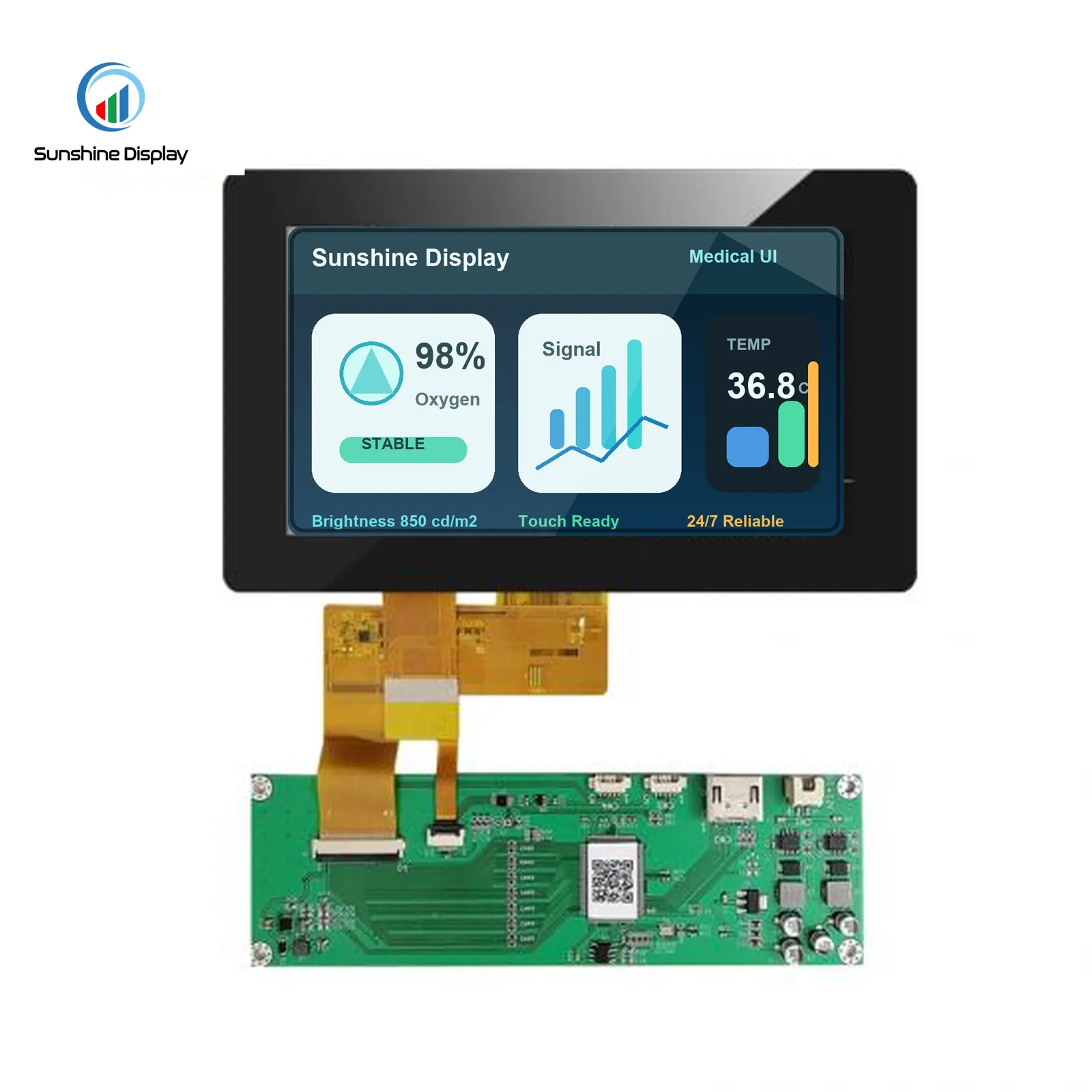
SDT101QWHI-XXCP
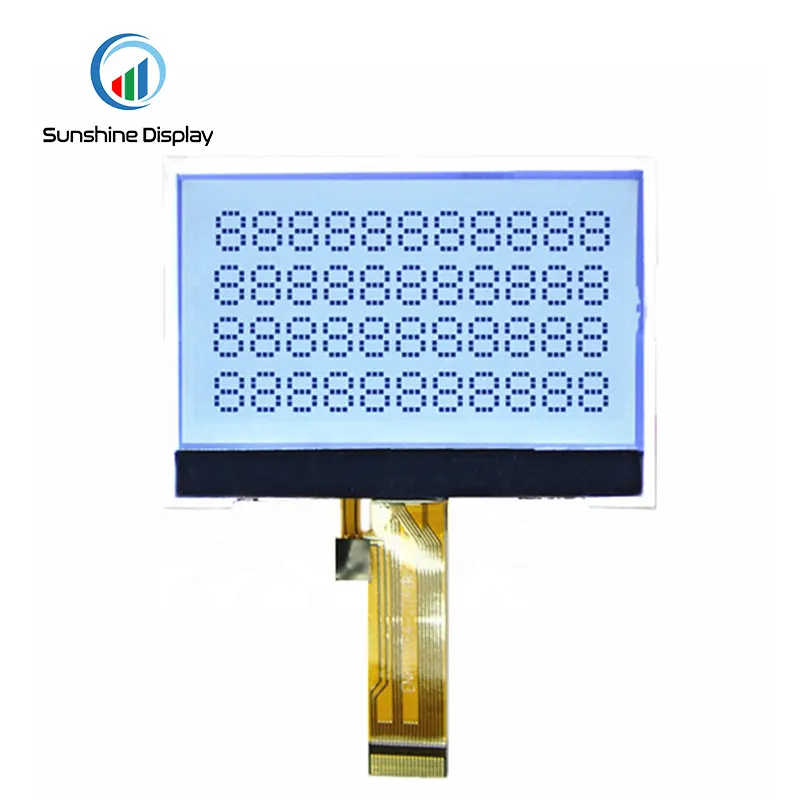
SDG012864-XX
SDT06
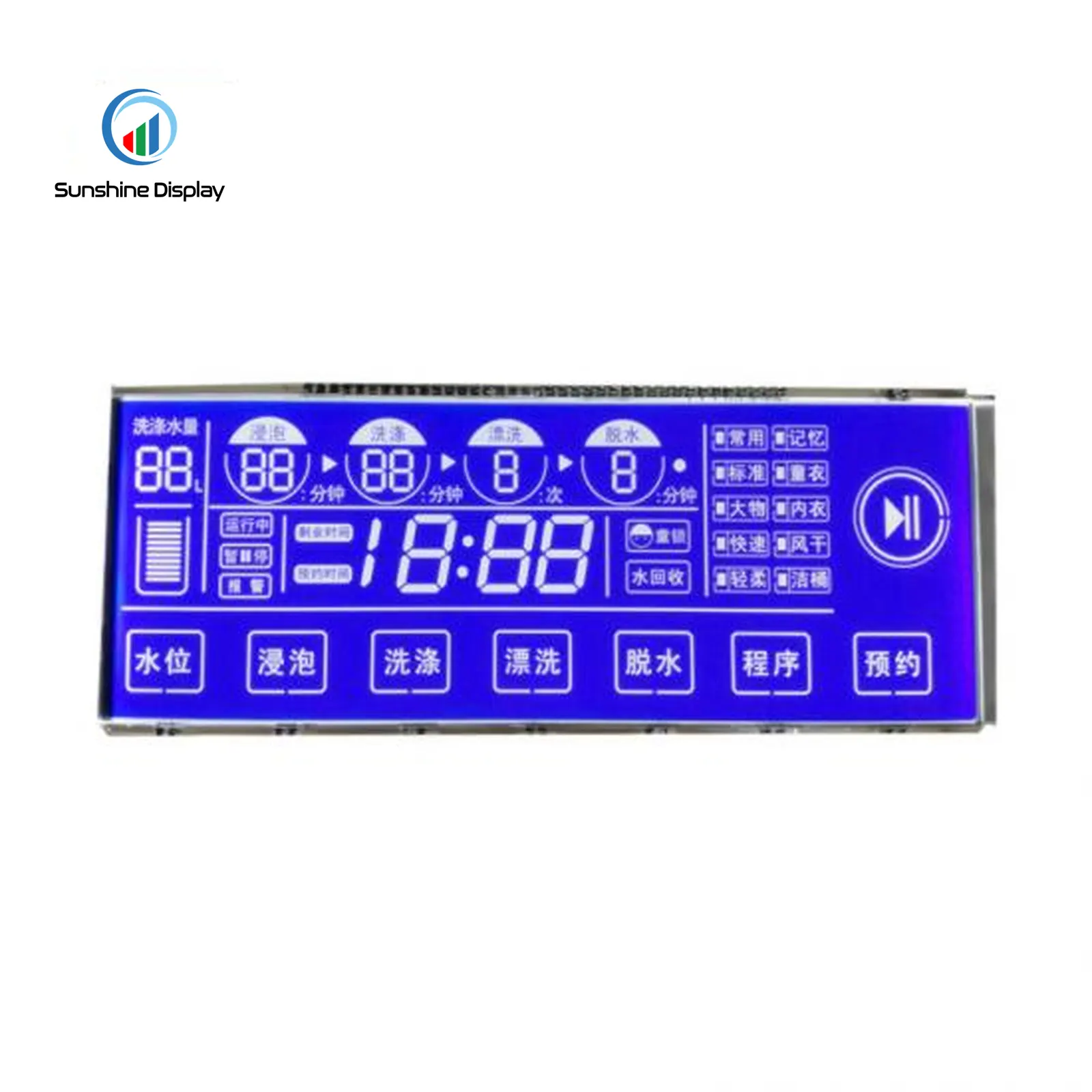
SDM-SPL01
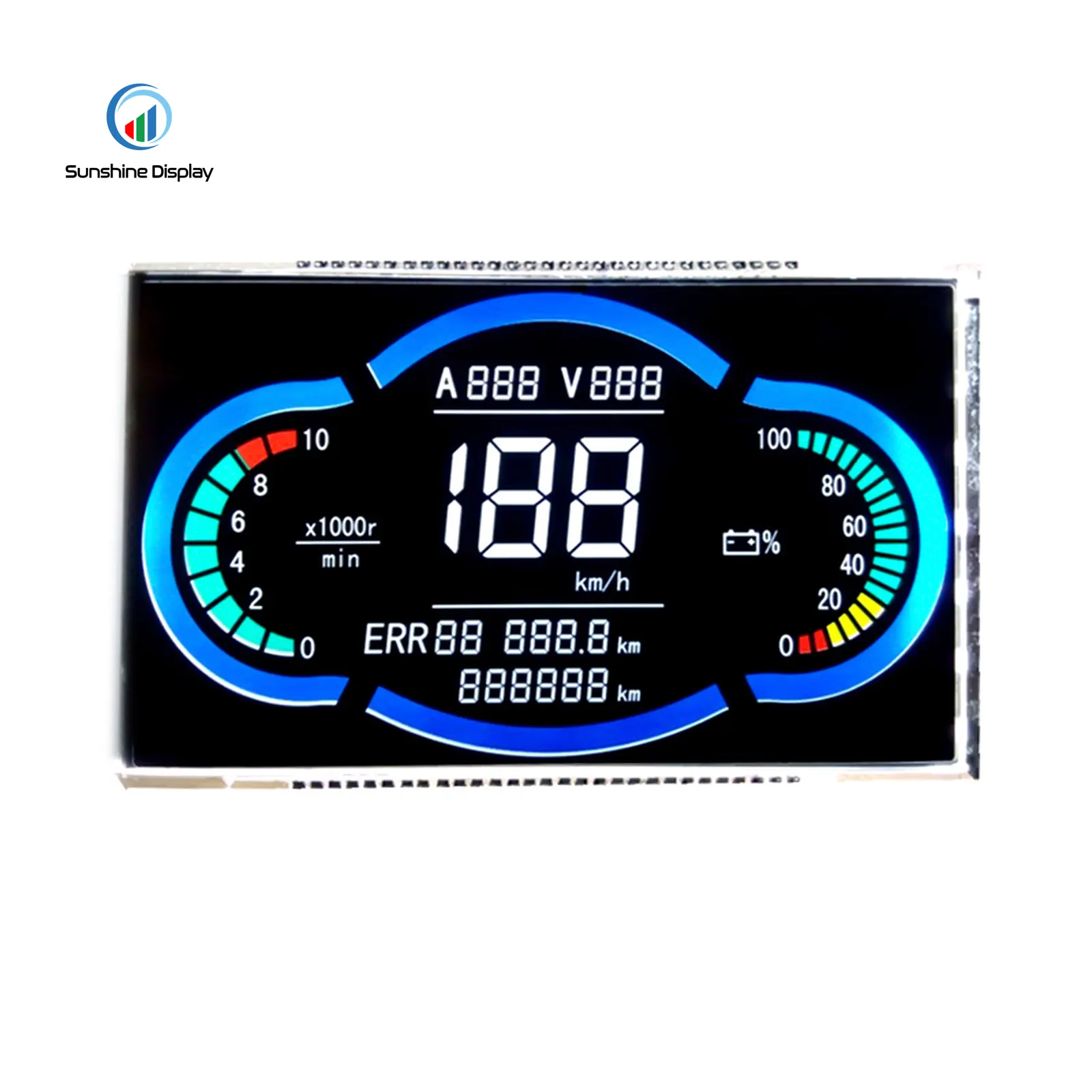
SDM-VA01
03 / FROM REQUIREMENTS TO PRODUCTION
Use these stages to discuss scope and responsibilities with our team. The actual schedule depends on the agreed design and validation work.
Share the application, drawings, host interface, expected volume and target schedule.
Review suitable technologies, platform availability, constraints and customization scope.
Confirm the proposed specification, development costs and milestones before proceeding.
Evaluate samples against agreed electrical, mechanical and visual requirements.
Complete product integration checks and review any required design revisions.
Confirm the approved specification, quality requirements and supply arrangements.
04 / BEFORE YOU START
Start with the application, available space, resolution or segment layout, interface, viewing conditions, temperature range, touch requirements and expected quantity. If specifications are incomplete, identify the requirements you already know.
It may be possible to adapt an existing platform with changes such as FPC, backlight, touch or cover glass. Feasibility depends on the module and the requested changes; a standard platform should be evaluated first.
Display technology, tooling, component availability, design complexity and order volume affect the quotation. Send your requirements for a project-specific assessment; there is no single MOQ or development fee that applies to every custom display.
The schedule depends on design approval, tooling, component sourcing, sample revisions and validation. Ask for a schedule based on the agreed scope before committing to a product launch date.
These options can be discussed as part of the assembly. Provide the host platform, mechanical drawings and intended operating conditions so compatibility and integration requirements can be reviewed.
Discuss expected product life, annual demand, component availability, change notification and sample approval requirements during project planning. Supply arrangements should be confirmed for the selected design.
LET’S REVIEW YOUR REQUIREMENTS
Send what you know today. Drawings, a reference module or an outline of the application can help define the next engineering questions.
Email sales@sunshinelcd.com. Opening the email link does not submit a request; send your message from your email application. You can attach drawings there.

Scan to add WeChat