In the world of professional displays, "quality" is never a one-size-fits-all metric. Instead, the panel architecture must be meticulously matched to the high-stakes environment in which it will serve.
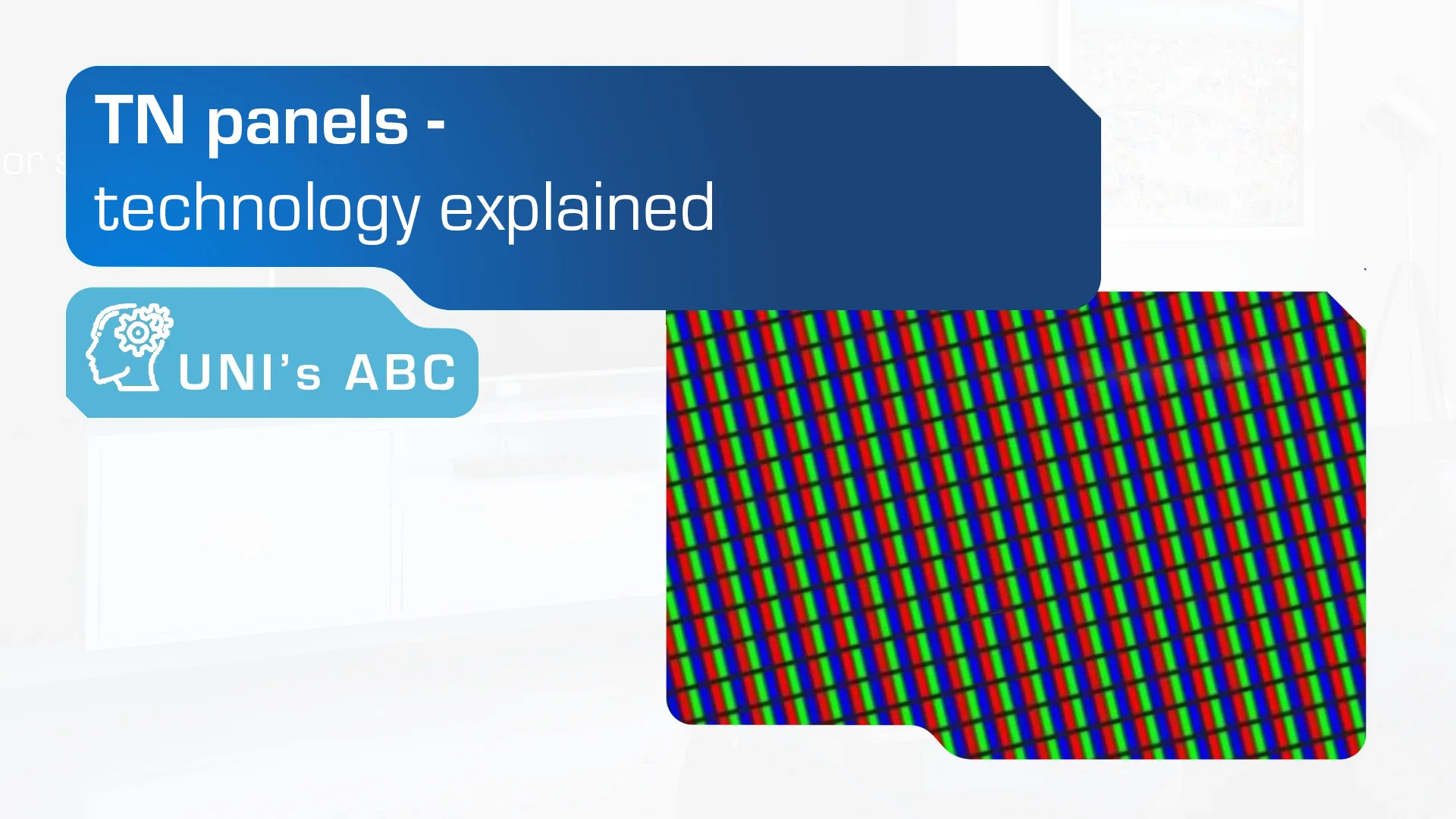
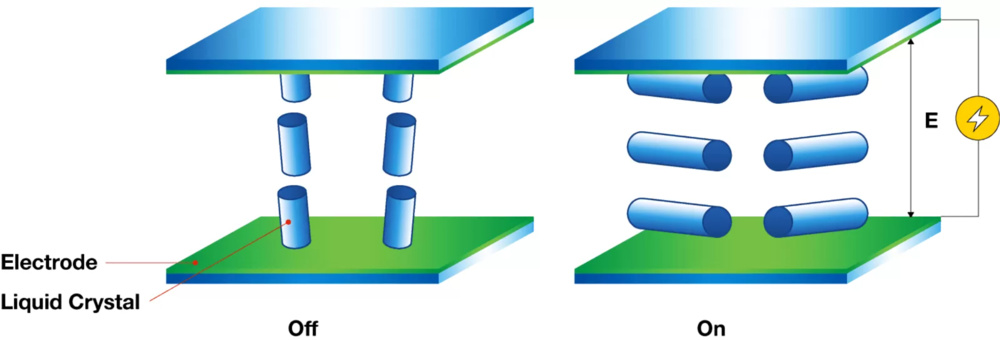
TN (Twisted Nematic): These are the workhorses of the industry—simple, cost-effective, and offering high transmittance. They are the go-to choice when power efficiency and budget are the primary drivers.
IPS (In-Plane Switching): Known for superior color reproduction and ultra-wide viewing angles. This is the gold standard for medical displays; a surgeon or diagnostician viewing a monitor from an off-center angle cannot afford a color-shift that might lead to a misdiagnosis.
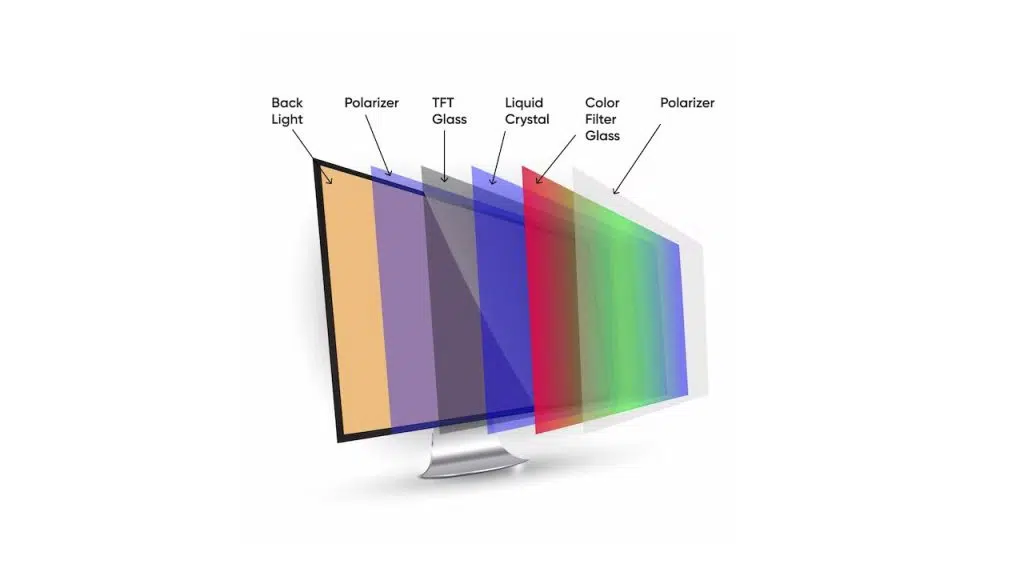
VA (Vertical Alignment): Offering the highest contrast ratios, VA panels are the preferred choice for large-scale commercial signage and massive industrial displays where deep blacks and vibrant pops of data are required.
The 500-Nit Threshold for the Outdoors
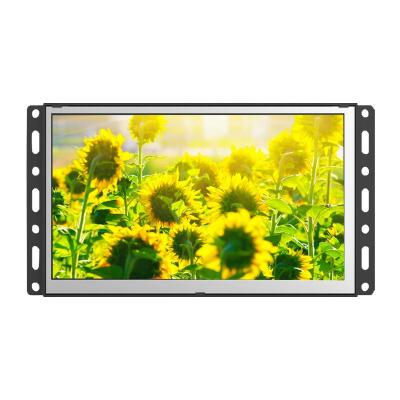
For a device to be classified as a Sunlight Readable TFT LCD, it must cross a specific technical threshold: a brightness level of at least 500 cd/m² (commonly known as nits).
This isn't just about making the colors "pop." In the industry, 500 nits is the magic number where a display’s internal luminance begins to overcome the "washout" effect caused by direct solar radiation. For outdoor handheld devices or commercial kiosks, hitting this threshold is a functional requirement for safety and usability, ensuring that critical data remains readable even when the sun is at its zenith.
The "Language" of the Screen (Interfaces)
The final surprise lies in the complex "language" or interface that allows the screen to talk to the rest of the machine. A display is only as good as its ability to communicate with the device’s brain, and this requires a specialized architecture.
The complexity scales with the application:
Simple Logic: Devices like smart thermostats or basic industrial sensors typically use SPI or MCU interfaces, which are efficient for low-bandwidth data.
High Performance: The high-resolution, data-heavy dashboards found in modern Electric Vehicles (EVs) or complex medical monitors require the massive bandwidth of MIPI or LVDS interfaces to ensure lag-free, real-time visualization.
This hidden layer of complexity means every professional screen is part of a carefully synchronized system, paired specifically to the device's architecture to ensure high-speed, reliable performance.
Conclusion: Looking Beyond the Surface
The world of LCD technology is far more nuanced than the smooth glass surfaces suggest. Every display is the result of a high-stakes engineering balance between thermal resistance, ambient light management, panel architecture, and interface speed.
The next time you check your car's dashboard in a heatwave or use a medical monitor in a dimly lit room, will you look at that piece of glass the same way?
Sunshine Display Technology Limited is a professional LCD manufacturer offering a wide range of LCD displays and solutions tailored to various applications.