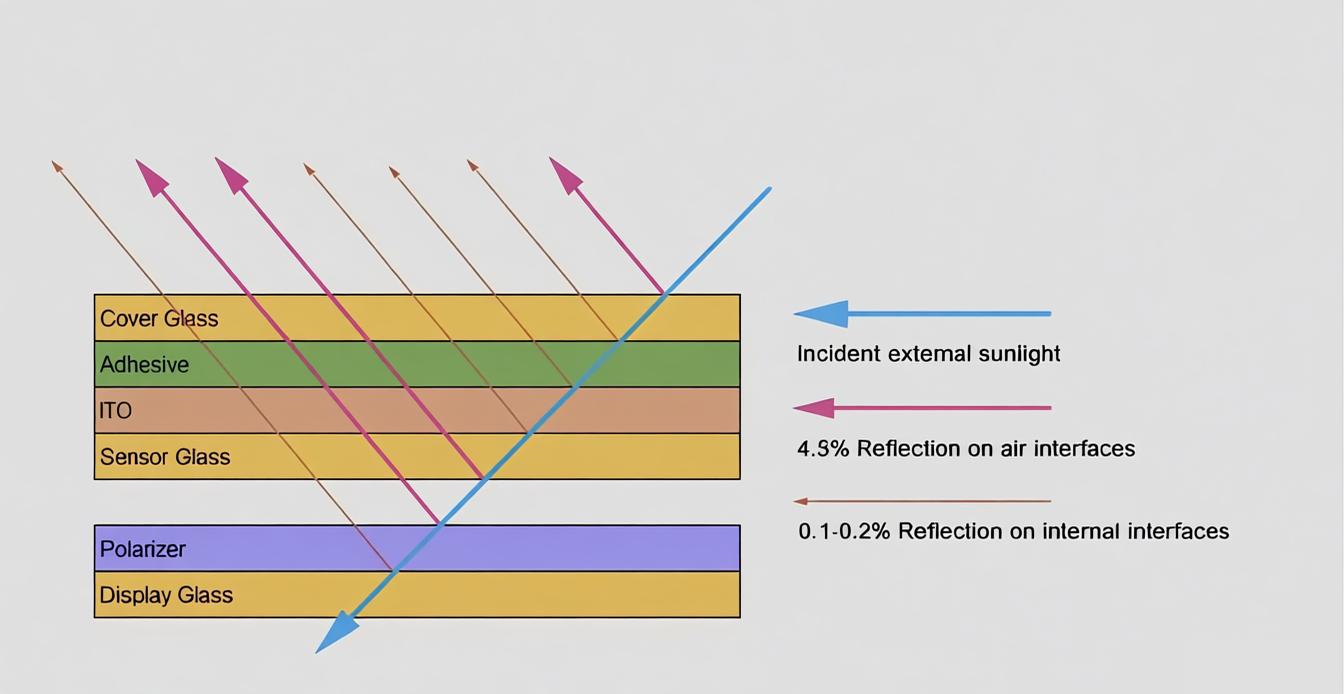
In today's world, where technology is omnipresent, the demand for displays that can perform well in various lighting conditions is ever-increasing. One of the most significant challenges faced by manufacturers and users alike is ensuring that TFT (Thin Film Transistor) displays remain readable in direct sunlight. This article will explore various methods and technologies that can be employed to enhance the readability of TFT displays under bright conditions, ensuring that users can enjoy clear visuals regardless of the environment.
Understanding the Challenge
TFT displays are widely used in various applications, from smartphones and tablets to industrial equipment and outdoor signage. However, standard TFT displays often struggle in bright sunlight due to their reflective surfaces and limited brightness. The ambient light in direct sunlight can reach levels of approximately 1500 cd/m², while typical TFT displays reflect about 14% of this light, resulting in a mere 840 cd/m² of effective brightness. This discrepancy makes it crucial to implement strategies that enhance display performance in such conditions.
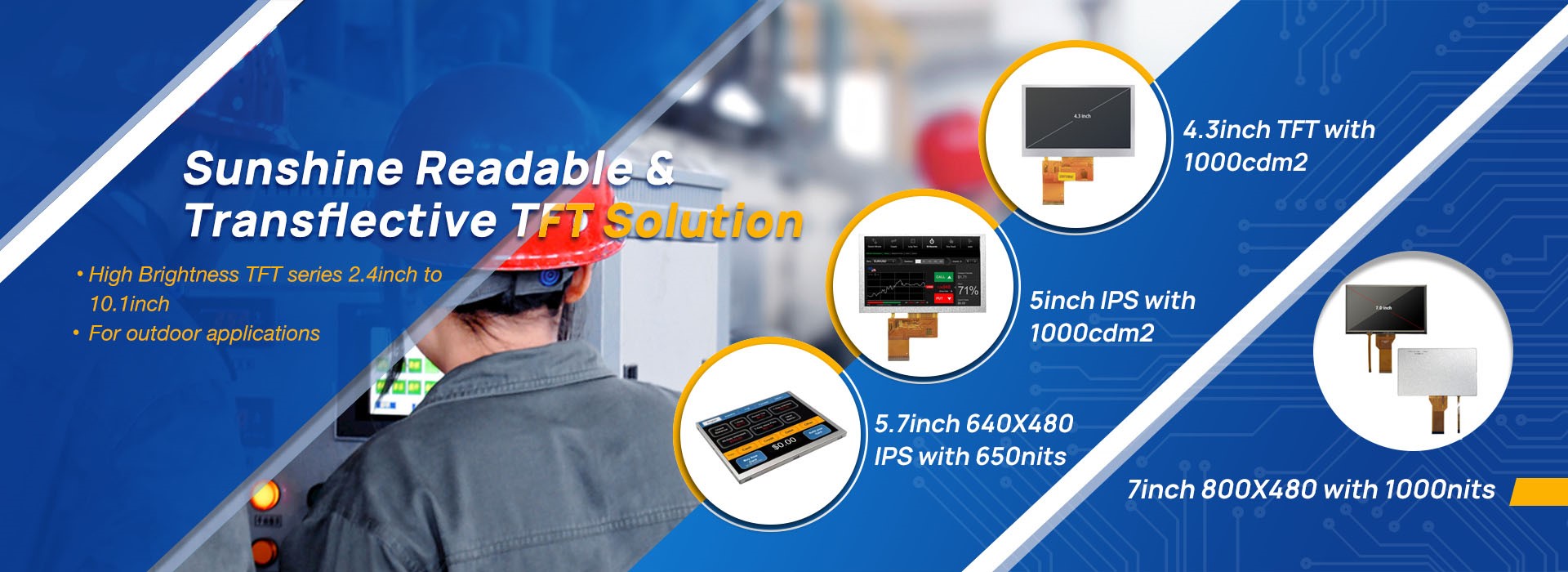
1. Increasing Brightness
One of the most straightforward methods to improve sunlight readability is to increase the brightness of the display. High-brightness TFT screens can achieve brightness levels of 1000 nits or more, making them significantly more visible in direct sunlight. This can be accomplished by:
Enhancing LED Backlight Power: Upgrading the LED backlight system to provide more luminous output can dramatically improve visibility. This involves using higher power LEDs or optimizing the backlight design to maximize light output.
Using High-Luminosity Displays: Some manufacturers offer displays specifically designed for outdoor use, featuring enhanced brightness capabilities that can reach up to 2000 nits.
2. Anti-Reflective Coatings
Another effective method to improve sunlight readability is the application of anti-reflective (AR) coatings on the display surface. These coatings reduce glare caused by ambient light, allowing for clearer visibility. Key points include:
Multi-Layer Coatings: Utilizing multi-layer AR coatings can significantly reduce reflections and improve contrast, making the display easier to read in bright conditions.
Surface Treatments: In addition to AR coatings, surface treatments such as matte finishes can help diffuse light and minimize glare.
3. Transflective Displays
Transflective displays combine the benefits of transmissive and reflective technologies. They are designed to utilize ambient light effectively, making them ideal for outdoor applications. Here’s how they work:
Reflective Layer: A reflective layer behind the LCD panel captures and reflects ambient light, enhancing visibility in bright conditions.
Transmissive Mode: In low-light conditions, the backlight can be activated, allowing the display to function effectively in various environments.
Transflective displays are particularly useful for devices that require visibility in both bright sunlight and low-light conditions, such as outdoor kiosks and handheld devices.
4. Polarizer Optimization
The polarizer used in TFT displays plays a crucial role in their performance under sunlight. Standard polarizers can hinder visibility in bright conditions. To optimize polarizer performance:
Use of High-Performance Polarizers: Upgrading to high-performance polarizers can enhance contrast and reduce reflections, improving overall readability.
Dual-Polarizer Configurations: Implementing dual-polarizer setups can further enhance display performance by minimizing glare and improving contrast ratios.
5. Display Design Considerations
The overall design of the display can also impact its readability in sunlight. Considerations include:
Display Enclosure: Designing enclosures that minimize direct sunlight exposure can help reduce glare and improve visibility.
Screen Orientation: The angle at which the display is viewed can affect readability. Designing displays with adjustable angles can help users find the optimal viewing position.
6. Advanced Technologies
Emerging technologies are also paving the way for improved sunlight readability in TFT displays. Some of these include:
OLED Displays: Organic Light Emitting Diode (OLED) displays offer superior contrast and brightness levels compared to traditional TFT displays, making them more suitable for outdoor use.
Adaptive Brightness Control: Implementing sensors that adjust the display brightness based on ambient light conditions can enhance visibility and conserve energy.
Conclusion
Making a TFT display sunlight readable involves a combination of increasing brightness, applying anti-reflective coatings, utilizing transflective technologies, optimizing polarizers, and considering overall display design. As technology continues to evolve, manufacturers are developing innovative solutions to meet the growing demand for displays that perform well in all lighting conditions. By implementing these strategies, users can enjoy clear, vibrant visuals on their TFT displays, regardless of the environment.