LCD screen cables are typically connected in one of two ways.
· Solution 1: Connected via the FPC bonded to the LCD, the customer uses a matching connector to plug directly into the LCD.
· Solution 2: A connector is left on the LCD module and the client uses the FPC cable, FFC cable and cable as a medium for signal transmission to the connector on the motherboard.
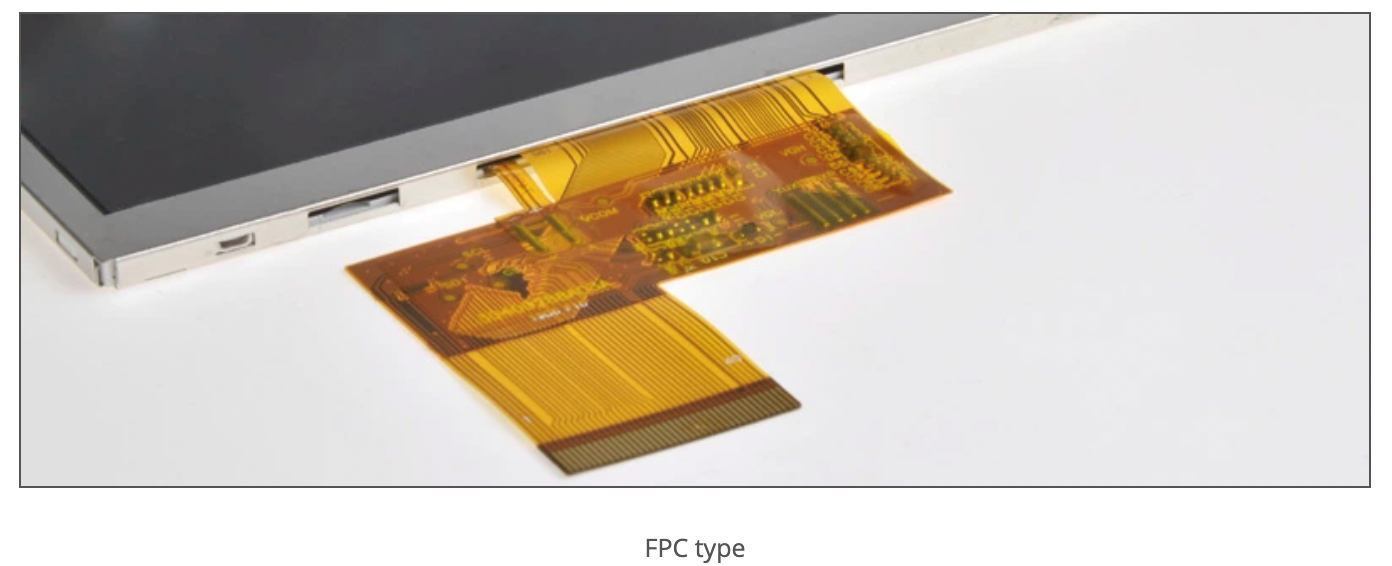
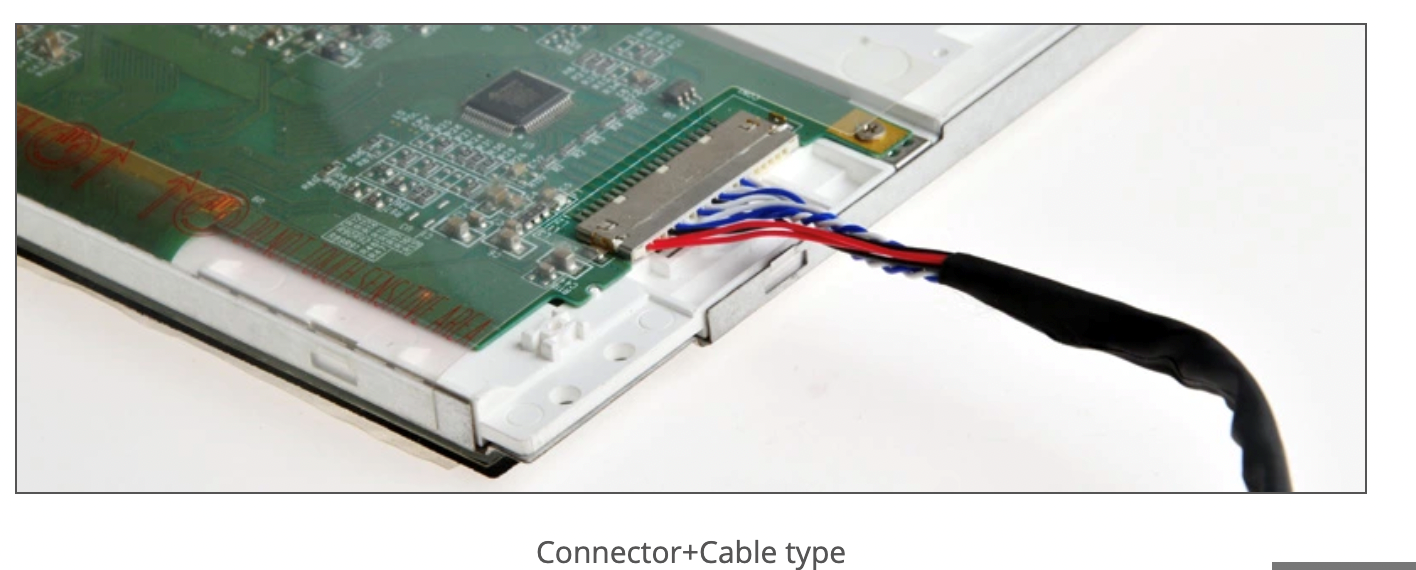
Both ways have very special features, solution 1 will make your product more compact, suitable for handheld type products, the cost is also cheaper; solution 2 is suitable for the motherboard and the display of the installation is not very close industrial products, need to transmit data to the display over a long distance, a reliable cable is very necessary, of course this way will be more expensive, for products with vibration requirements, it will also be more reliable.
Sunshine has very sophisticated technical solutions for both types of connection.
FPC:
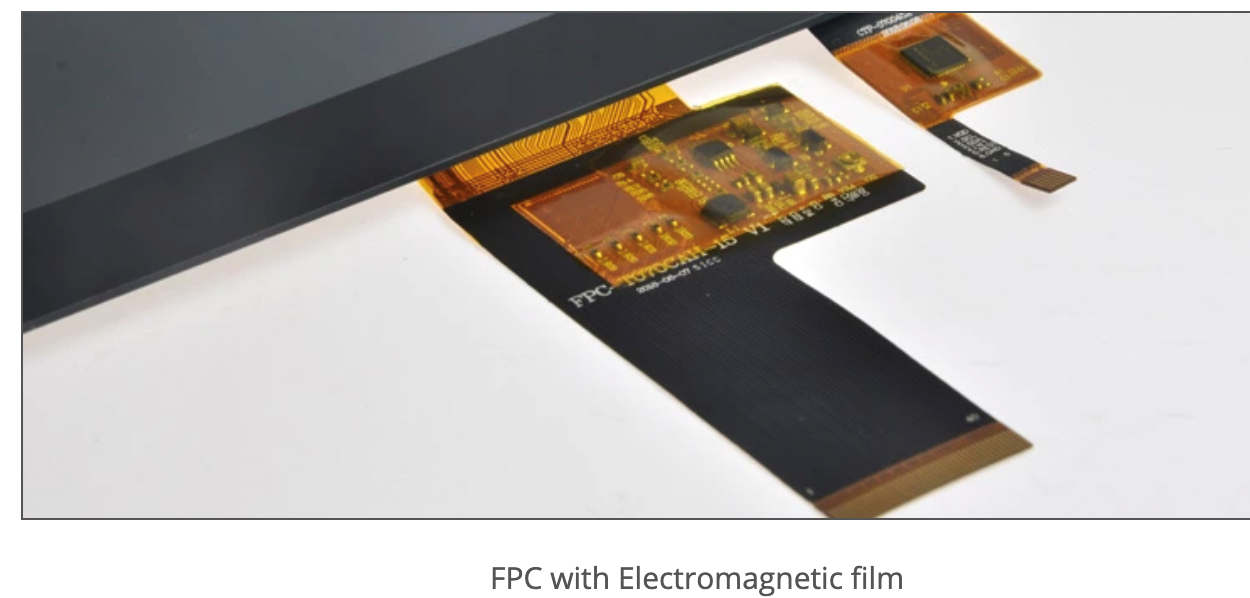
We can tailor different shapes, different lengths, different PIN definitions and different pin pitches to suit your different structural and interface requirements. In addition, FPCs can also be manufactured with electromagnetic shielding film material to achieve better EMI immunity performance. At the same time, we can also start in the circuit of the FPC, add some anti-interference circuit, filter circuit, optimise the layout and resistance matching to meet the different requirements of different application markets for electromagnetic tolerance, so that your products in the design of more performance advantages, more quality assurance.
Cable:
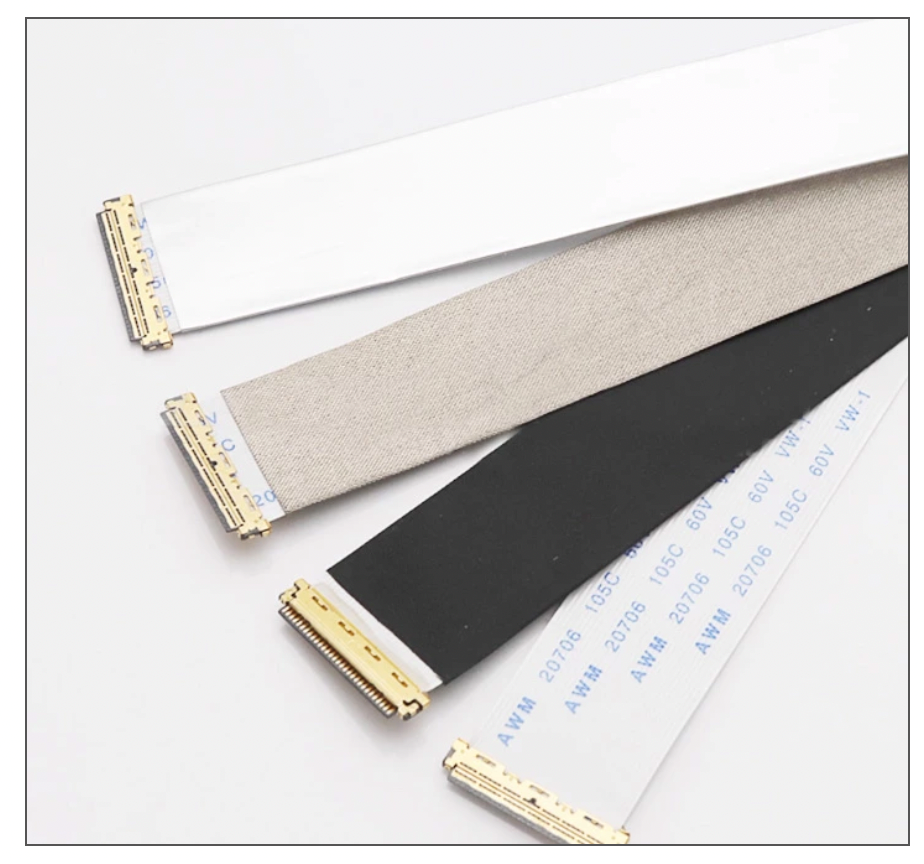
Sunshine can adapt the cable to different lengths, materials and connectors to meet your different interface requirements. In addition, if there is a requirement in signal processing, it can also be improved by adding shields, grounds, electromagnetic ring, etc. We have the solutions and the experience to deliver them quickly and reliably.
 FPC with Electromagnetic film
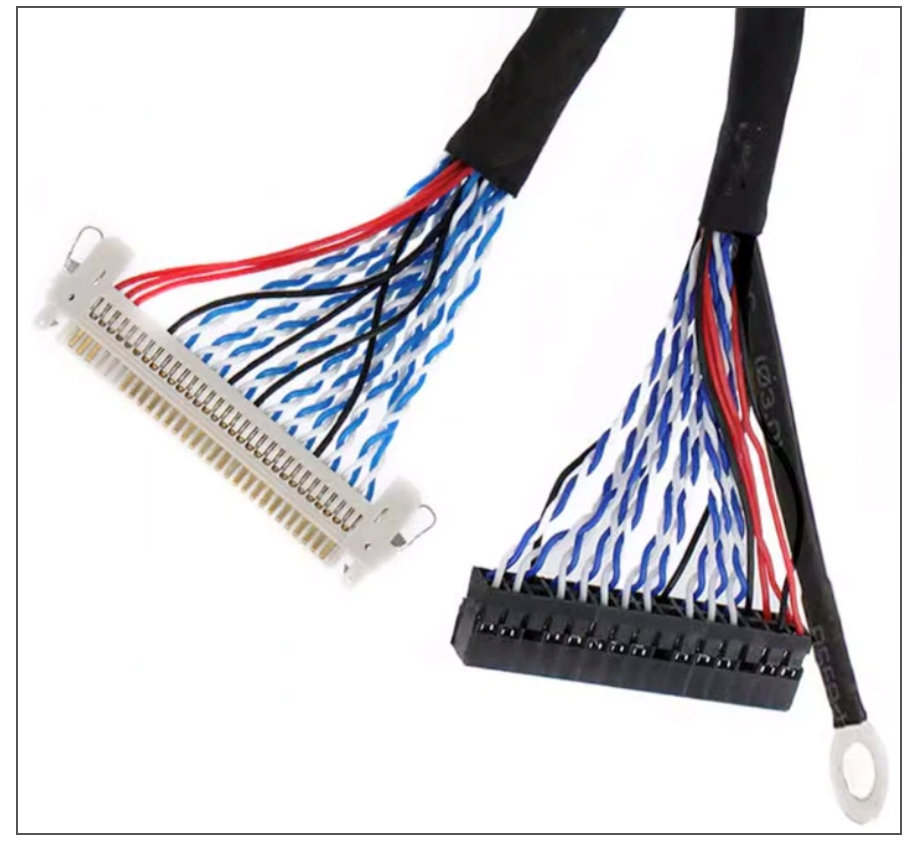 Wire harness with connector and grounded
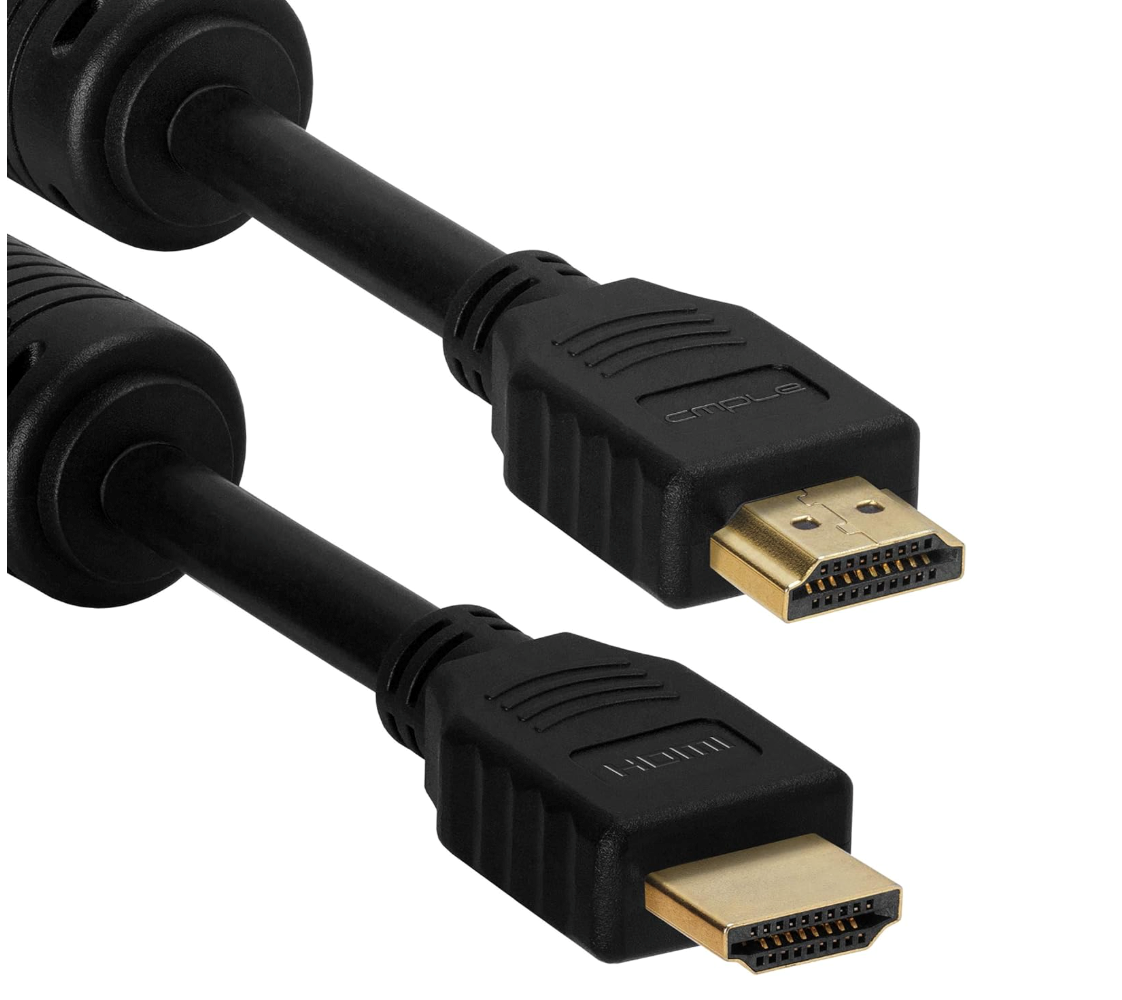
HDMI wire with magnetic ring
Combining multiple interfaces:
For an LCD module with touch functionality, it will have multiple interfaces. By combining multiple interfaces, for example the LCD and CTP interfaces, we can save one connector position, which is a good solution for customers with compact motherboards, and at the same time makes assembly much easier. It is worth noting that, it is best that the LCD and CTP do not share the same VDD, as this can cause some power interference, this is something we need to address.--Suggestions from Sunshine. Of course it is possible to integrate the backlight signal, the LCD signal, the RTP signal and the CTP signal all on one TCON PCB, if you have the need.
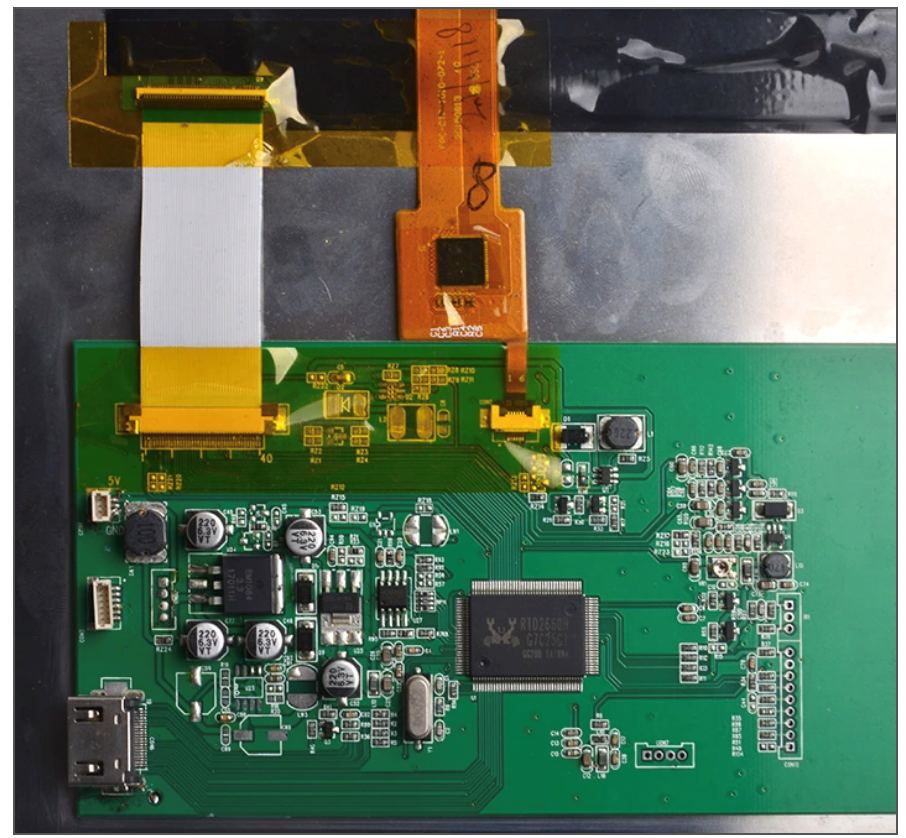 Interface combining together for HDMI
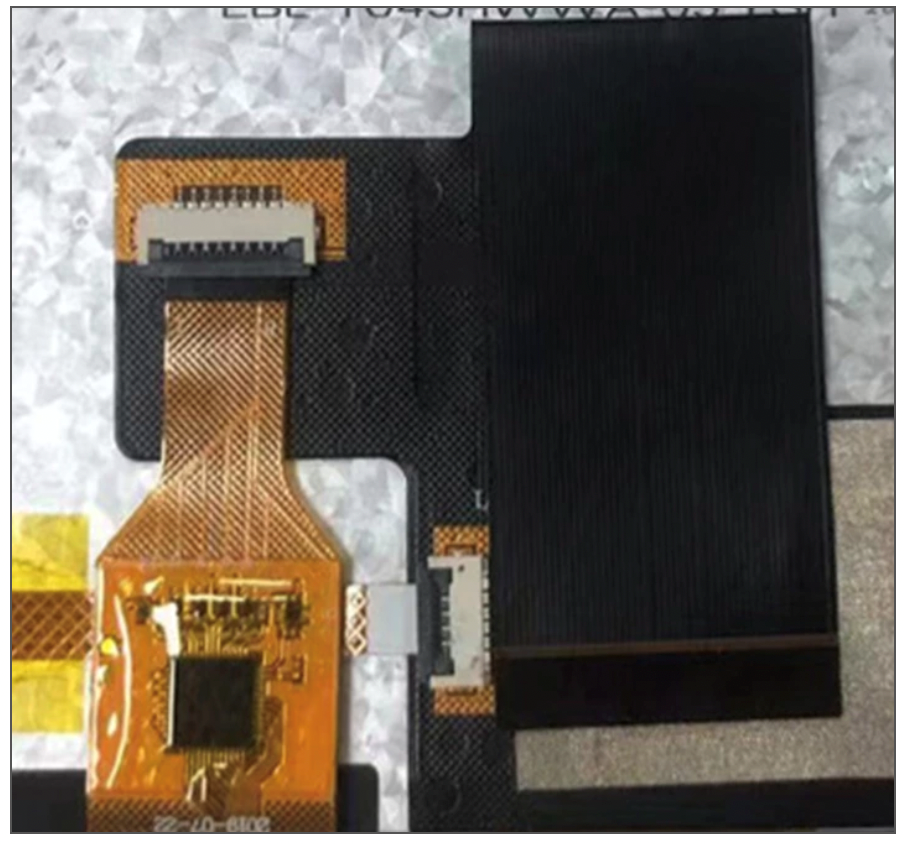
Interface combining together for FPC
Signal conversion:
If you are looking for a 4.3 inch 480*272 screen, the most common on the market will be RGB interfaces. But your motherboard can only support the MCU interface, is this a headache for you? No problem, We has a signal conversion solution to convert RGB to MCU interface. Similarly, there are other screen sizes whose native interface does not perfectly match your motherboard solution, and we will use signal conversion to suit your use.
Please note: For greater stability, we usually place the conversion circuit on the PCB, which increases the overall thickness of the product and requires you to assess the dimensions of the mechanical structure in advance.
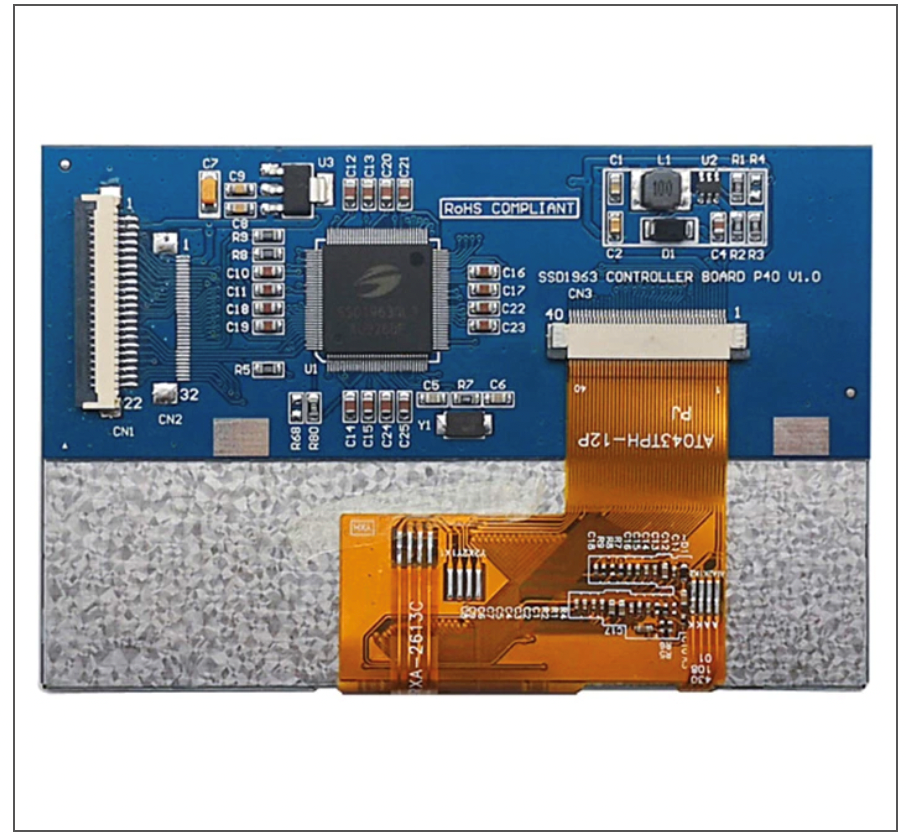
RGB conversion to MCU interface
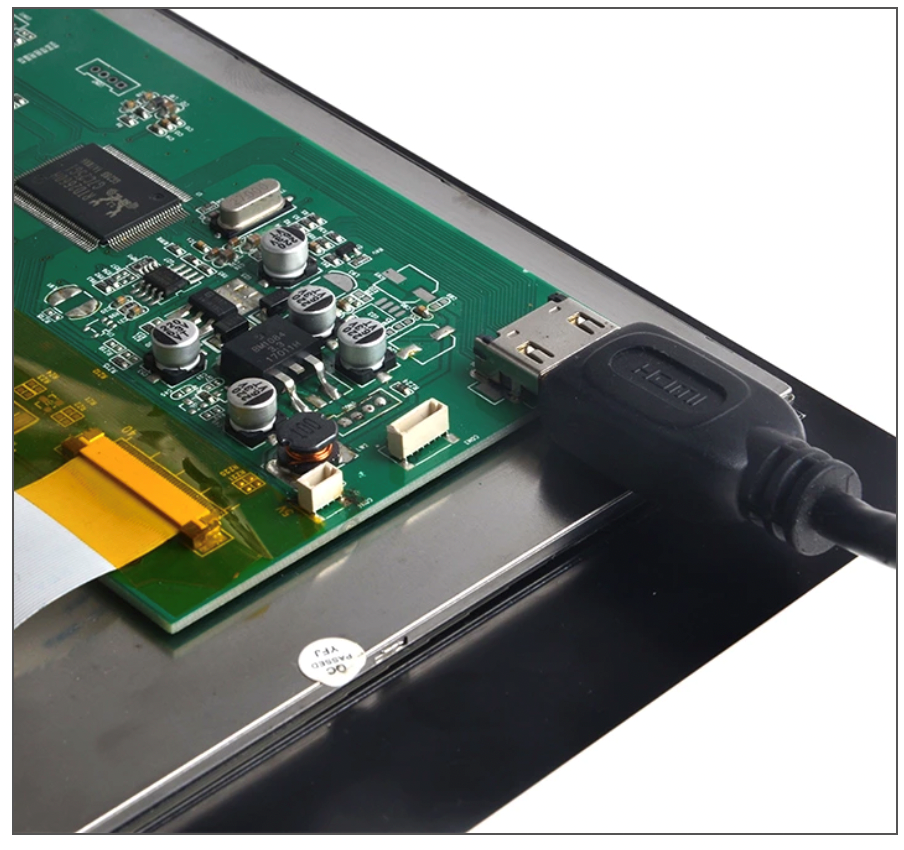
LVDS conversion to HDMI interface
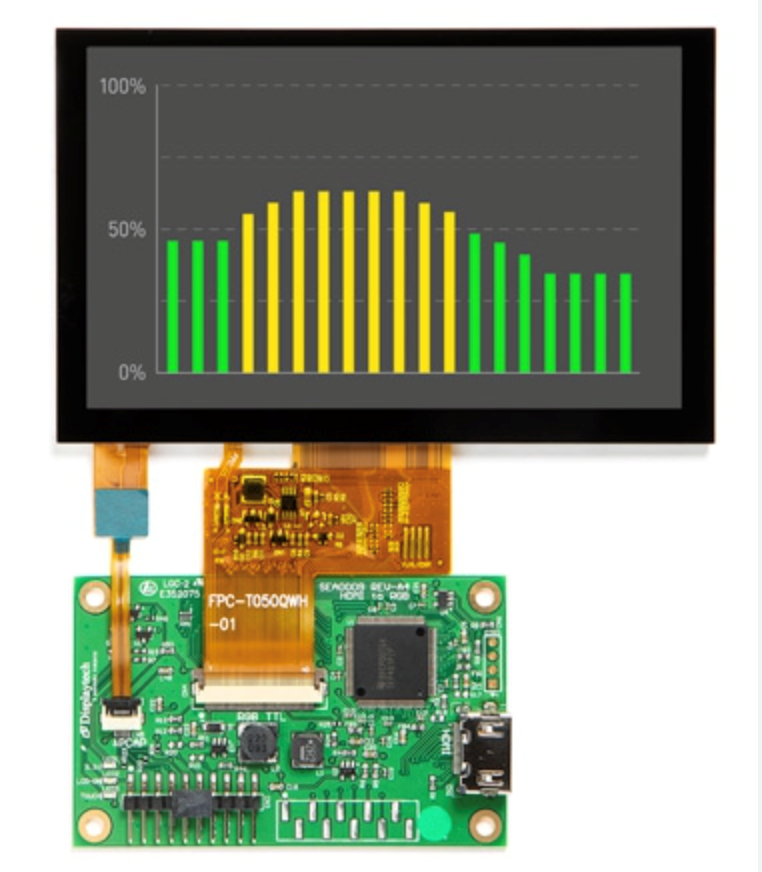
RGB conversion to LVDS interface
Customized LCD FPC (Flexible Printed Circuit) & Cable solutions are commonly seen in replacement LCD Display project, where each supplier's product design may vary.
Here are a few key characteristics that highlight their importance and advantages:
1. Tailored Fit and CompatibilityCustomized solutions ensure that the FPCs and cables are designed to fit specific devices or systems perfectly. This tailored fit minimizes compatibility issues and ensures seamless integration with existing components, reducing the risk of malfunctions.
2. Enhanced Performance SpecificationsDifferent suppliers may offer varying performance specifications based on the needs of the application. This includes factors such as signal integrity, power handling capabilities, and resistance to electromagnetic interference (EMI). Custom solutions can be optimized to meet these specific performance requirements.
3. Material Selection and DurabilityCustom FPCs and cables can be made from a variety of materials, each offering different levels of durability, flexibility, and resistance to environmental factors. This allows for the selection of materials that best suit the operating conditions, whether it's high temperatures, moisture, or mechanical stress.
4. Design FlexibilityCustom solutions provide the flexibility to design FPCs and cables in unique shapes, sizes, and configurations. This is particularly useful in scenarios where space constraints or specific design requirements need to be met, enabling more innovative and efficient product designs.
5. Cost-Effectiveness While custom solutions may initially seem more expensive, they can lead to cost savings in the long run by reducing the need for frequent replacements and minimizing downtime. Custom designs can also optimize the use of materials and manufacturing processes, leading to overall cost efficiency.
6. Supplier-Specific InnovationsEach supplier may bring their own innovations and proprietary technologies to the table. This can include advanced manufacturing techniques, unique material compositions, or specialized design features that enhance the performance and reliability of the FPCs and cables.
7. Improved Reliability and Quality ControlCustom solutions often come with stringent quality control measures to ensure high reliability and consistency. This is crucial in replacement scenarios where the new components must match or exceed the performance of the originals.
By leveraging customized LCD FPC & Cable solutions, businesses can ensure that their replacement components are precisely tailored to their needs, offering improved performance, compatibility, and cost-effectiveness.