In today's era of ubiquitous smart devices, screens serve as a bridge connecting the digital and physical worlds. From simple status indicators to complex graphical human-machine interfaces, these are the result of the intricate collaboration of various LCD technologies. Understanding the core differences between different types of LCD screens is a crucial step in creating successful products.
Choosing the Visual Tone: Positive vs. Negative Display
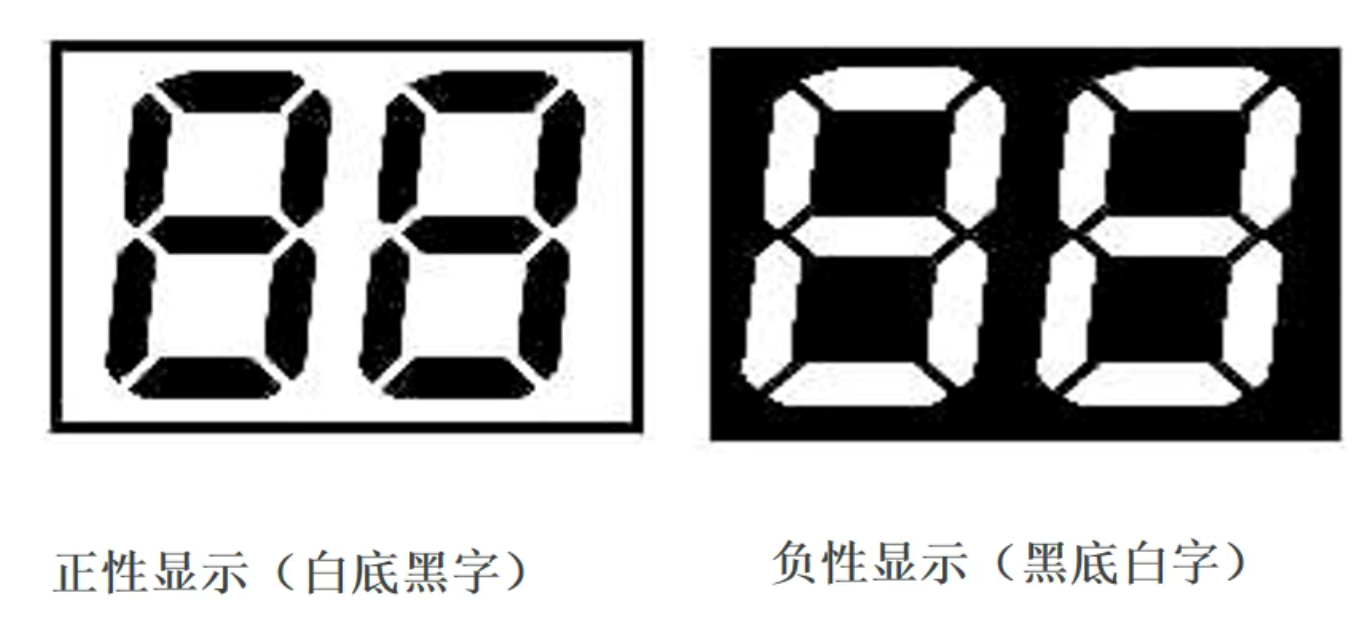
The first impression a screen gives stems from the combination of its background color and content. This primarily falls into two modes:
Positive Display: Presents a "black-on-white" effect, with a visual style similar to traditional paper, offering clear and gentle readability, suitable for indoor environments with stable lighting.
Negative Display: Presents a "white-on-black" effect, boasting higher contrast and particularly excellent performance under strong light, ensuring optimal information legibility.
Choosing between positive or negative display is the primary decision defining the product's visual style and application scenario, and is also a fundamental element to consider when looking tocustomize LCD screens.
The Wisdom of Light: How Lighting Methods Define Application Scenes
How a screen "captures" light directly determines its energy efficiency and range of application.
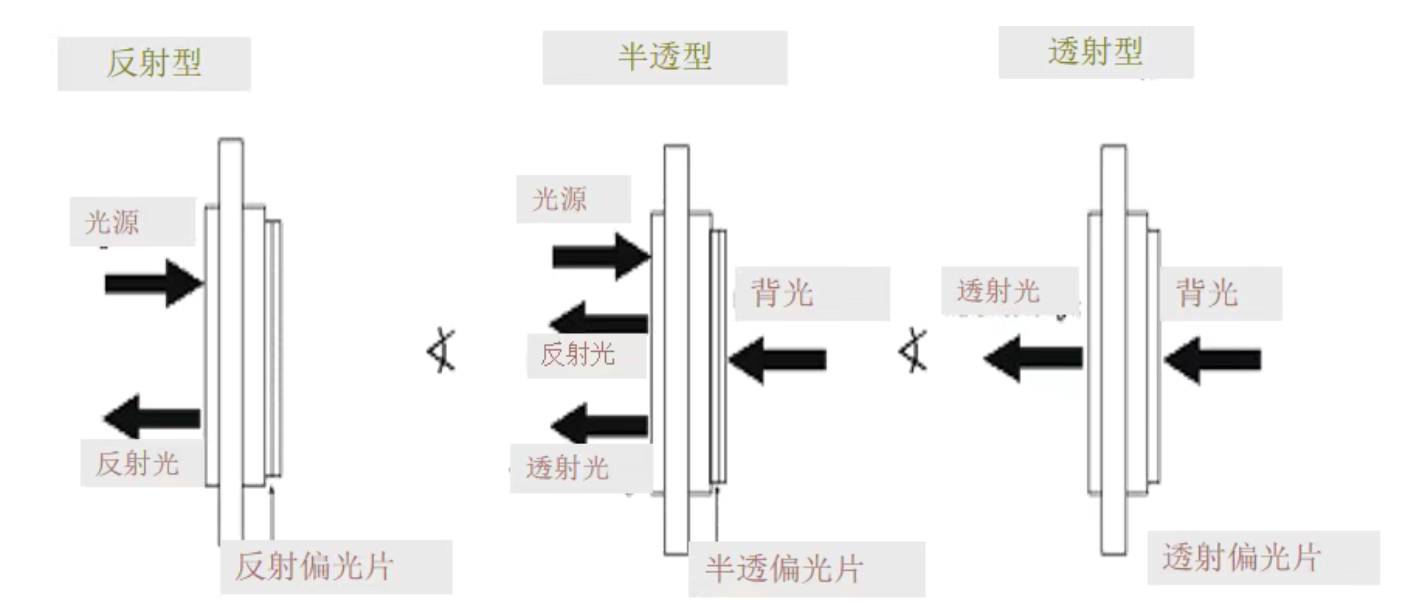
Reflective Type: Much like reading a physical book, it relies entirely on ambient light. It performs excellently in daylight with almost zero power consumption, making it ideal for portable devices pursuing ultra-long battery life.
Transmissive Type: Acts like a self-illuminating body, relying entirely on a backlight system to ensure the image remains bright and clear in dim or dark environments. It is widely used in fields like automotive displays and industrial control.
Transflective Type: Ingeniously blends the advantages of the previous two types. It provides balanced display performance both in daylight and when the backlight is on, achieving a perfect balance between energy efficiency and all-weather visibility.
The Dimension of Content: From Characters to Visual Realms
The ability to display content determines the depth and breadth of human-machine interaction.
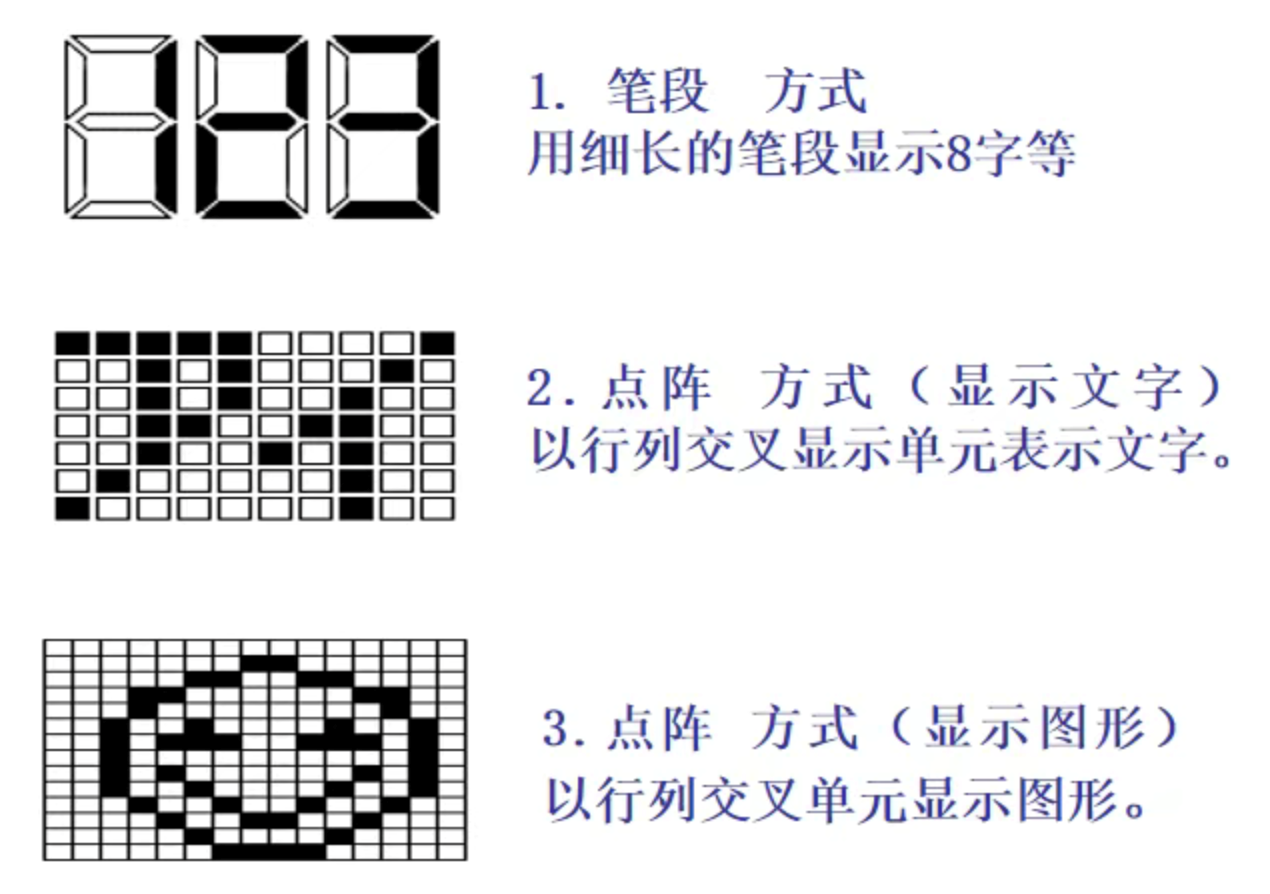
Segment Displays: With their simple, low-cost characteristics, they specialize in displaying numbers, letters, or simple icons. They are a classic choice for devices like metering instruments and basic household appliances.
Dot Matrix Displays: Open up infinite possibilities. Through a dense array of pixels, it can freely render detailed text and even complex graphical interfaces. This is the core of modern LCD modules, enabling rich possibilities for HMI (Human-Machine Interaction).
The Core of Technology: The Art of Liquid Crystal Molecule Alignment
The different "twisting" modes of liquid crystal molecules are the core differentiators between various LCD technology schools.
TN/HTN: As mature and cost-effective options, they are widely used in standard products where extreme display performance is not required, valued for their reliability and cost-friendliness.
STN/FSTN: Achieve better contrast and viewing angles through higher twist angles. Among them, FSTN (Film Super Twist Nematic) effectively overcomes the inherent color bias of STN by incorporating a compensation film, resulting in a clear black-and-white display, meeting the needs of mid-to-high-end applications.
TFT: As the representative of high performance, it uses an active-matrix drive, with each pixel corresponding to a thin-film transistor. This delivers a display with rich colors and fast response times, making it the ideal choice for presenting dynamic images and complex UI interfaces.
For LCD manufacturers, a deep understanding of these technological differences is fundamental. In practical applications, selecting or customizing LCD panels based on the specific needs of the product—whether it's power consumption, cost, viewing angle, or display performance—is crucial to ensuring a perfect match between technology and application.
Conclusion
From defining the visual style to selecting the core technology, the world of displays is both diverse and precise. We hope this overview of LCD technologies provides inspiration for your product selection process. On the journey of exploring display solutions, partnering with a professional expert will help you more accurately illuminate the "window to the soul" of your product.
About Sunshine Display who are LCD & LCM Manufacturer. Specialized in LCD Display ,Touch Screen & Customized LCD Solution.
1)Our factory got ISO9001 ,ISO 14001, ISO 45001 and IATF 16949 certified for industry and automotive LCD solution.
2) 20 Years professional experience in LCD OEM &ODM customization, TOTAL solution for LCD module & PCAP,One-stop service.
3) We have our own production equipments, COG production lines, Several ACF and FPC Bonding Lines, CTP Production lines and backlight lines. which can make better control the LOW MOQ and Faster delivery:
4)Strong supply capacity: 35000m² Totally plant area in Guangdong China, 3KKpcs per month for LCD, 300Kpcs per month for CTP.️
5)Stong R&D Team, we have 50 engineers who have more than 10 years in this field.
6) Quality-Centric: Rigorous testing (including 72h aging test, EMC compliance) ensures zero-defect deli)Long Term Supply: Our LCD products can be supplied on a 5- to 10-year cycles.
Sunshine Display: Your global partner for high-performance, cost-effective LCD solutions. We are committed to empowering your market success through continuous innovation and exceptional service. Driving the future of display.